
Types of Influencers – How to Identify Which Group You Belong To and What It Changes?
You can work in beauty, play games, run a podcast, or create newsletters – in every case, you’re part of a larger puzzle. Types of influencers are not just a curiosity but a real tool that helps understand your strengths better and match your strategy to what brands want to buy. Nowadays, the division is clear – from nano creators building loyal communities to mega influencers with campaigns worth hundreds of thousands of zlotys. In this post, I break it down and show how these categories translate into collaborations, rates, and career development.
Nano, micro, macro – how does the size of your community define your possibilities?
Reach is the first criterion most brands consider.
- Nano-influencers (1–10k followers) often operate locally, have a highest level of trust and interaction and can sell more than someone with a ten times larger account. Collaborations? Mainly barter or small fees, but also a huge potential to start.
- Micro-influencers (10–100k) are players who combine a niche community with a good campaign scale. Rates of 1,000–5,000 PLN per post are standard, and a high ER (3–8%) makes brands eager to invest in this group.
- Above this threshold, we have mid-tier influencers (100–500k), who can demand 5,000–15,000 PLN per post and increasingly engage in long-term ambassadorships.
- Macro-influencers (500k–1m) have massive reach but usually lower engagement (1–3%). Their rates are 15–50k PLN, and the largest budgets go to mega-influencers (1m+), where a campaign can cost 50k PLN or more. Here, ambassador subscriptions and nationwide recognition often come into play.
Subjects that define the type of influencer – from beauty to education
The division of influencers by thematic niche is one of the most important, as it’s the topic of your content that decides with which brands you can collaborate and which community you’ll attract.

Discover the potential of your personal brand!
Join a platform where creators can earn money online and build their personal brands by recommending products and services from brands and partners they truly respect.
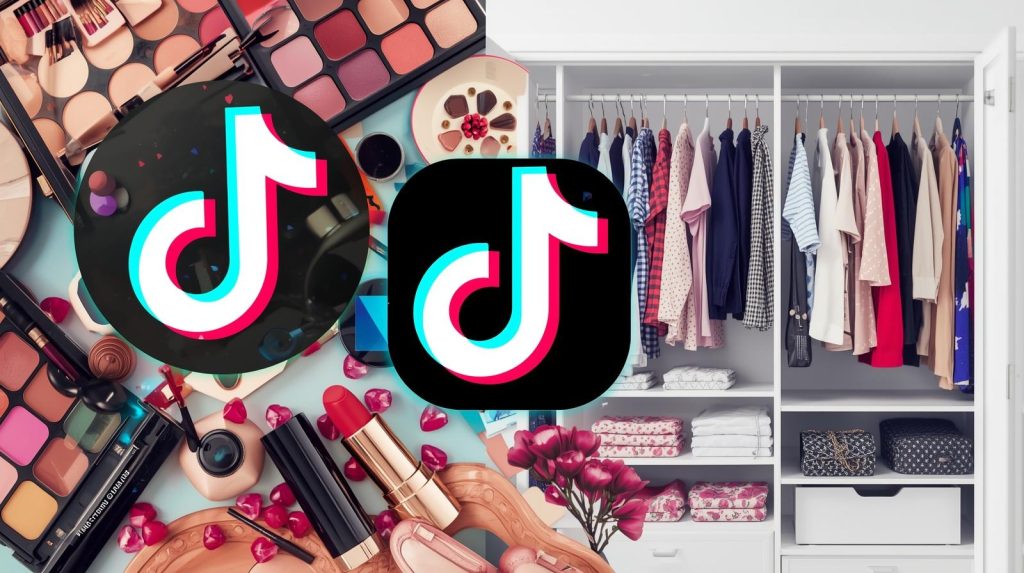
- Fashion & beauty influencers are people focused on fashion, stylings, makeup, and skincare. They create cosmetic reviews, „get ready with me” shows, video product tests and inspirational lookbooks. They mainly collaborate with clothing, cosmetics, and jewelry brands, and their profile must be visually consistent, as viewers in this niche pay great attention to aesthetics.
- Fitness & health influencers focus on health, physical activity, and well-being. They can run workout channels, share recipes for healthy meals, review sports equipment, or educate about supplementation. In this group, credibility based on knowledge and practice is essential, as audiences often see them as authorities in healthy living.
- The next large category is tech & gaming influencers – people who create reviews of smartphones, computers, consoles, and games, conduct live gameplay streams, or share advice for new technology users. In this group, expertise and the ability to explain complicated things simply are important.
- In recent years, the category of eco & sustainability influencers has also emerged – creators who promote eco-friendly products, zero waste, slow fashion, renewable energy sources, or educate on environmental protection topics. Here, authenticity and consistency in messaging are key, as audiences are particularly sensitive to greenwashing.
- We can’t overlook finance & business influencers – those who create content about investing, saving, running a business, and sometimes career development. Their audiences expect specific, practical advice, so competence, reliability, and clear communication are important.
- In niches like parenting, DIY, or lifestyle, we have creators who showcase daily life, family, handicrafts, or interior design. Here, the key is closeness to the audience – brands choose influencers who can naturally incorporate the product into their everyday life.
Types of influencers and content format
The division of influencers can also be made based on what format of content they excel in. And here, one trend has been visible for years – video wins in every category. Short formats like Reels, Shorts, or TikTok generate the most engagement and are more favored by brands as they allow conveying the full message in a few seconds.
- Live-streamers have an additional advantage – live contact with the audience and the ability to immediately showcase a product in action, which promotes sales in the live commerce model.
- Vloggers and YouTubers still hold a strong position because long materials allow for an extended product presentation, brand story, or comparison test. It’s in these formats that a multi-threaded narrative can be incorporated, enhancing the credibility of the message. Newsletters and podcasts are also playing an increasing role, reaching loyal, selected audiences – here, fees can be surprising as very precise targeting is involved.
- It’s worth mentioning multi-platform creators who carry out campaigns simultaneously on several channels. The brand then buys a consistent message in many places at once, allowing them to negotiate significantly higher rates. For the creator, this means additional work but also a real increase in revenue – often by several tens of percent with the same campaign.
Relationship with the brand – from a single post to an ambassador role
Types of influencers also differ in how they build relationships with brands. For some creators, each campaign is a separate, standalone project – several posts, Stories, or videos within a certain period, payment, and the end of collaboration. This model is good for starting, but it doesn’t provide stability. More and more creators are thus entering ambassadorships – long-term contracts for several months or a year, where they carry out a set number of publications each month in exchange for a fixed fee.
There are also creators operating in the flat fee model – you sign a contract for a campaign that includes several formats, and the brand pays a predetermined amount upfront. It’s simple and predictable but less flexible than results-based settlements. And it’s performance marketing that is gaining strength – here, you settle with brands for sales (CPS) or customer acquisition (CPA). This works great in e-commerce, especially combined with live commerce or discount codes, because the brand pays only when it sees results.
A separate category is expert-influencers, who combine the role of creator and advisor in their field. Such cooperation may involve trainings, webinars, consultations, and not just advertising content. As a result, rates go up because the brand buys not only reach but also the creator’s know-how. This model is gaining significance in 2025, as more brands want more than just a pretty picture – they seek real added value.
How to turn your niche into real income with RefSpace?
Whether you’re a beauty influencer, fitness creator, technology expert, educator, or a parent showing everyday life – your niche is your advantage. The key is to be able to turn it into a stable source of income, without unnecessary barriers and long negotiations. RefSpace gives you this opportunity – you enter the platform, choose products from brands aligned with your theme, and can immediately promote them on your channels.
You do not need a company, warehouse, or a budget to start. You get ready links, discount codes, and tools that allow you to earn from day one. You focus on creating content, and we handle the rest – logistics, order handling, and settlements. Thanks to this, you don’t waste time on formalities, but instead develop your profile and community.
If you want your content to finally start working for your income – create an account on RefSpace and find out how easily you can start earning in your niche.

Customer Service & Marketing Specialist at RefSpace, passionate about AI technology development and shopping psychology. She is responsible for customer service, collaboration with Creators and Suppliers, and application development. Her extensive experience as a Makeup Artist allows her to better understand the mechanisms of trust in recommended products and understand customer needs.