
What is affiliation? How to earn without a product and without a store? A few words about affiliate marketing.
Earning from recommending products sounds like a fairy tale to many, but it’s becoming a more and more realistic form of online work. If you ever clicked a link to promote a bank account, PDF planner, or popular book and purchased it “on recommendation,” you have encountered affiliate marketing.
What is affiliation? It’s a simple model: you promote, someone buys, you earn. No own product, no customer service, no storage. Seemingly simple, but the devil is in the details. This post breaks down the topic from the basics, through examples, to concrete tips on how to start, even if you don’t have your website.
Don’t have a product, but want to earn? Understand what affiliate marketing really is
Contrary to appearances, affiliate marketing is not a novelty, but a proven model of operation, which has gained popularity thanks to the internet. It involves promoting a product or service of another company, and in return, you receive a commission from a sale or other action performed by someone you referred. This action could be a purchase, registration, newsletter signup, or even a simple click. That’s the essence: you earn from the actions of other people, but you are responsible for getting them interested in the product. If someone asks what affiliation is, the answer is: it’s a collaboration between a company and a person who helps it reach new customers – benefitting both parties. From a company’s perspective, it’s a convenient form of marketing outsourcing, and for you – a way to earn income without investing in a product. Sounds interesting, doesn’t it?

Discover the potential of your personal brand!
Join a platform where creators can earn money online and build their personal brands by recommending products and services from brands and partners they truly respect.
Definition of affiliate marketing: how to earn from other people’s products without investment
The operation of the affiliate system is remarkably simple, but its power lies in well-set processes. A company that wants to promote its product creates a partnership program and generates unique affiliate links. You – as an affiliate – register for the program, get the link and… start promoting. You can post it on a blog, Instagram, in a newsletter, or even in a private message, as long as it complies with the regulations. When someone clicks and performs a specific action, the system assigns the commission to your account. It all works thanks to cookies and special identifiers – you don’t need to track anything manually. This mechanism is the foundation on which every affiliate sale is based, regardless of whether you recommend a diet plan, language course, or new phone. You don’t create the product, handle invoices, or manage complaints – it’s genuinely minimal involvement, provided you know how to reach people.
Affiliate link – what is it, how does it work, and why does so much depend on it?
Without an affiliate link, nothing will happen. It identifies who recommended a given product and who should receive the commission. An affiliate link is simply a URL address, with your identifier encoded – it looks like a regular link, but partner program systems know exactly who stands behind it. If someone clicks this link and buys the product you recommend, the commission goes to your account. But there are a few nuances. Some programs assign the commission only if the purchase happens within 24 hours. Others give 30 days, and there are some that offer lifetime affiliation – once assigned, a client is “yours” forever. Therefore, it’s worth knowing the rules of the program you’re using. The affiliate link is a key element of every activity – without it, affiliate marketing simply doesn’t work, even if you run a great campaign.
Commission for recommendation? Check how companies pay affiliates and why it’s worth it
For many people, it’s surprising that companies are willing to share money with people who help them with sales. But it makes sense – they pay only when they get results. That’s the strength of affiliation. There are various billing models, but the most popular is CPS – Cost Per Sale, or sales commission. You can also encounter models like CPL (for lead) or CPC (for click), but the first one dominates. Rates? They vary – from a few percent for electronics to even 50% for online courses or e-books. In affiliate marketing in Poland, programs from the financial, educational, and beauty industries perform particularly well. Why is it worth it for companies? Because they don’t take risks – they only pay for the result, not for advertising that might not work. For you, it’s an opportunity to earn like a seller without your product – but with more freedom.
Affiliate marketing behind the scenes – advantages, disadvantages, and traps to avoid
From the outside, everything looks great – no costs, flexibility, passive income. And indeed, affiliating online can be convenient and profitable, but it’s also worth knowing the flip side. First and foremost – competition. Thousands of people are promoting the same products, so you need to stand out: through content, style, approach. There’s also the dependence on the advertiser – if they change program terms or close the campaign, your income can drop to zero overnight. Links can expire, commissions can change, and support might go silent. That’s why it’s worth choosing reliable partners and not putting all your affiliate eggs in one basket. Nevertheless, for many, it’s a way to achieve stable, independent income, especially if you treat it as a real business, not a quick way to earn.
What, where, and how to promote? Examples of affiliate actions that really work
You don’t have to reinvent the wheel. It’s best to start with proven formats. One of the most popular are rankings and comparisons, such as “Best bank accounts 2025” or “Top 10 online courses for freelancers.” Product reviews also work – the more authentic and specific, the better. Another way is discount codes and landing pages with a specific offer, which attract users looking for deals. Examples of affiliate marketing? The Ceneo program, where you get 65% commission for purchases through your links. Or Przedsiebiorcy.org – here you get 30% and… a client assigned for life. You can also earn by recommending the affiliate programs themselves – this is known as the 2nd level model. There are many combinations, but one rule doesn’t change: the more useful the form of promotion, the greater the chance someone will click and buy.
Examples of affiliate networks: Awin, CircelWIse, TradeDoubler, Commission Junction.
Don’t have a blog or reach? Here’s how to start affiliation from scratch (and not go crazy)
The truth is that your own website or YouTube channel can help, but they are not necessary. At the beginning, all you need is a social media account and an idea of who you want to reach. You can post in thematic groups, record TikToks with reviews, post mini-guides on Insta Stories, or create valuable carousels on LinkedIn. The key is authenticity and consistency. Over time, you might consider a website, blog, or newsletter – this will give you more independence and greater influence on how you present products. But if you’re just starting out, don’t wait for the perfect moment – affiliate marketing is a space where anyone can start, even from their phone. The hardest part is the first step.
Ranking, review, discount code – proven techniques that increase conversion
It’s not enough to just post a link and hope for a miracle. If you want people to actually click and buy, you need to know how to package your recommendation in an attractive and credible way. Rankings work because they make choices easier – they show what is worth buying and why. Reviews with personal experience build trust – and trust converts. Discount codes make users feel they are gaining – and that’s often enough to make a purchase decision. You can also use formats like “x reasons why you should…” or “the best choice for…”. These aren’t tricks – they are affiliate techniques based on real data, which you can adapt to your industry. Just remember, people don’t click links for your commission – they click because you solve their problem or make their purchase decision easier.
Affiliation has its perks… but RefSpace is a level higher
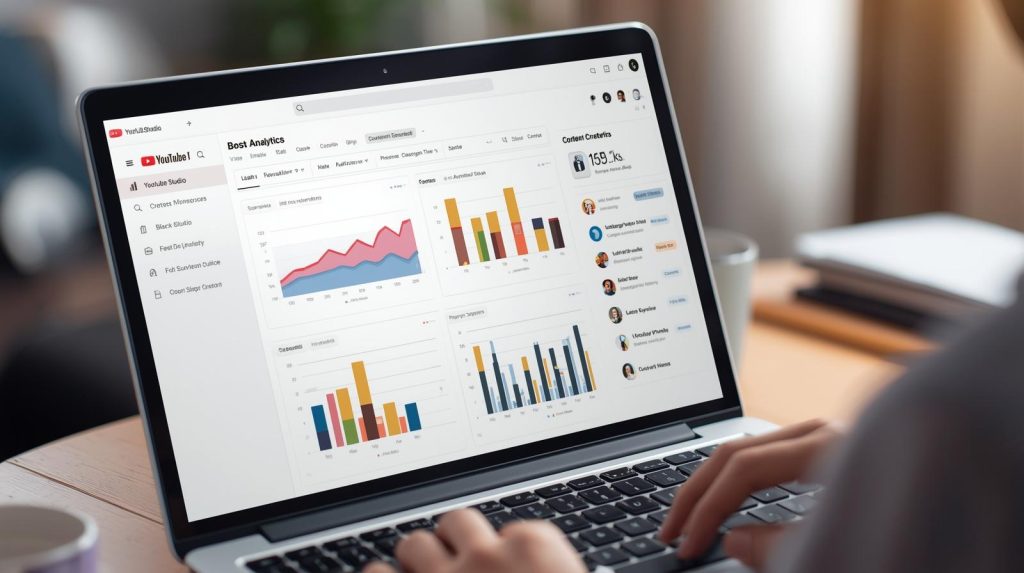
If you are familiar with the rules of affiliation, it’s worth knowing there is something much more solid and reliable – your own Space with a store on RefSpace. This free tool not only gives you a commission for sales but also full control over what you promote and how it looks. Unlike classic affiliate links, in RefSpace all transactions are assigned directly to your account – regardless of cookies or ad blockers that in affiliation can “swallow” 30–50% of commissions. Every sale is visible in the panel, so nothing disappears.
Additionally, you have the option to add your own videos and promote them better – with a buy product button right under the video, which translates to higher conversion. And if you operate on YouTube, products from your Space can automatically display under your videos. It’s a great option for creators like Leszkomoto TV, who combine content with specific sales in one cohesive ecosystem.
RefSpace is a natural evolution of affiliate actions – without risking lost clicks, with better analytics, and a ready-to-go online store that really works.