How to start an online store without stress, company setup, and thousands in startup costs? Let’s discuss!
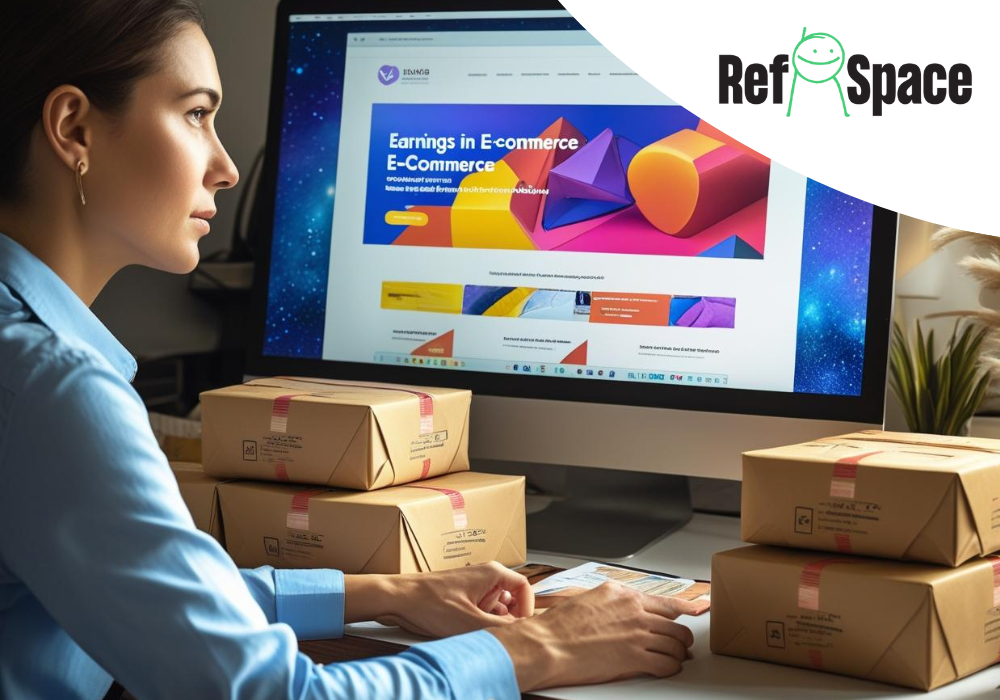
Dreaming of selling online, but afraid it’s too difficult, too expensive, or that you don’t have a business? Don’t worry – today’s e-commerce doesn’t require coding or initial investment. You can start your own store in a few hours, even without a business, and then grow it at your own pace. In this guide, we’ll show you how to set up your own online store step by step – without pretension or budget burnout.
How to set up an online store? Start with an idea that genuinely excites you – don’t create a store “just because you should”
Before you start tinkering with tools and templates, you need an idea that won’t bore you after a week. Setting up an online store shouldn’t start with looking for free hosting or discounted themes. It should start with a product or category, that truly interests you – because you will be the one talking about it, promoting it, and answering customer questions. It doesn’t matter if it’s niche bicycle accessories, personalized posters, or vegan sandwich spreads – the customer can tell if you sell something you know and like, or if you’re just spitting out ads.
In the long run, those who think strategically gain the most: see a niche that can be filled, and have at least a little desire to do something better than the competition. It’s not about reinventing the wheel – sometimes it’s enough to show a well-known product in a new, more authentic light.

Discover the potential of your personal brand!
Join a platform where creators can earn money online and build their personal brands by recommending products and services from brands and partners they truly respect.
Free delivery in the app with the code DOSTAWAGRATIS!



Technical start – how to set up your own online store step by step?
The simplest way? Setting up a store on a ready-made platform that does 90% of the work for you. You have several proven options to choose from: Shopify, Shoper, Shoplo – these are all-in-one solutions where you don’t have to bother with hosting, servers, updates, or looking for plugins. Just register, choose a template, and you’re good to go. If you have experience with WordPress, you should also consider WooCommerce – it’s free, very flexible, and gives you more control. However, it requires a bit more self-management.
But before you dive into template editing, go through the most important steps one by one.
- Create an account on your chosen platform – most of them offer a free trial period (for example, Shopify offers 3 days plus 1 month for 1 dollar). This way, you can test everything before making a decision.
- Choose a graphic theme – preferably one that suits your industry and communication style immediately. Don’t just focus on “pretty colors” – ensure clarity and intuitive navigation.
- Set up a domain and hosting – in Shopify/Shoper you have it right away, in WooCommerce you need to link your own domain (e.g., from OVH or LH.pl) and configure hosting. It sounds harder than it is – most hosts offer one-click WordPress installation.
- Configure payment methods – the most popular are Przelewy24, PayU, Stripe, and in international stores, also PayPal. It’s also worth adding the BLIK option – in Poland, it’s a must-have.
- Set up delivery options – choose carriers (InPost, DPD, Orlen Paczka) and determine shipping cost policies. You can also set free delivery from a specific amount – it’s a good way to increase cart value.
- Create basic subpages – the minimum is a homepage, “About us”, contact, terms and conditions, privacy policy. Don’t leave them empty – it builds trust and legally protects you.
- Add products – with proper descriptions, prices, variants, and high-quality photos. The fewer stock photos, the better. People want to know what they’re buying and who is behind it.
- Connect analytics – Google Analytics 4, Pixel Meta, Ceneo – depending on the channels you want to promote the store with. Without data, you won’t understand what works and what doesn’t.
Trending Shops
|
Creator |
Who
|
Refspace Profile
|
Social media
|
|---|---|---|---|
 |
Motoring
|
 | |
 |
Automotive
|
| |
 |
Cosmetology
|
| |
 |
Automotive
|
|
The process of launching a store can be managed in one weekend, but what really makes the difference starts after launch. The details create sales – thoughtful UX, reliable descriptions, good photos, and clear navigation. If you ignore this, your store will disappear into the crowd. But if you put in the effort – you can truly launch without a big budget and immediately look like someone who knows what they’re doing.
Budget and Law – Does Starting an Online Store Always Mean a Business?
Not always. To start, you can operate as an individual, especially if you choose platforms that do not require a business entity. However, if you plan regular sales, particularly of physical products, it’s worth considering a sole proprietorship or limited liability company.
The costs of starting an online store can be surprisingly low – if you use ready-made templates, basic tools, and don’t invest in stock upfront. But if you want to go “serious” – prepare a budget for paid templates, integrations, copywriting, product photos and advertising. The most common mistake? Burning the entire budget on the site, then having no funds for marketing. Without traffic – there are no sales.
Your own store is just the beginning – prepare for promotion, errors, and growth!
Many creators and novice e-commerce sellers think that setting up a store is “the job done”. That it’s enough to add a few products, set up payments, and sales will suddenly start. No, it will not. This is just the beginning of the fun – and the energy-intensive kind. Because it’s easier than ever to launch a store today, but to build a community and real traffic around it? That’s a completely different story.
Start by not jumping into everything at once. You don’t have to be on YouTube, TikTok, Instagram, SEO, and running Google Ads campaigns all at the same time. Better to choose 1–2 channels that you feel familiar with and where your audience is – and go turbo there. Regularity, good copy, product reels in use, testing CTAs, IG stories with customer reviews – these are the things that really work. And sure, not everything will succeed immediately. But it’s testing, measuring, and improving that makes up the everyday life of a store owner.
It’s also worth assuming right away that there will be errors. Sometimes, you’ll set shipping incorrectly. Sometimes, a product won’t click. Sometimes, an ad won’t return. And that’s OK – every stage of the store is a lesson. The important thing is not to treat the store at the start as a “ready-made money maker,” but as a project you will improve month by month. You might have the best product in the world, but if no one knows about it – you won’t sell anything.
Therefore, before you even start counting profits, take care of your strategy. What are you promoting? Who are you speaking to? How often are you showing up? Are your contents interesting, helpful, and not just “buy, buy, buy”? Only then – and only with time – will traffic, orders, and satisfaction come. An online store is not a sprint. It’s a long-distance journey with a reward at the end. But seriously – it’s worth it.
Where to set up an online store without drowning time and money? Meet RefSpace!
If you are starting from scratch and want to check if e-commerce is even for you – RefSpace offers you the opportunity to test a store without costs or formalities. You set up a so-called Space, add products from other brands (or your own), and off you go. You don’t have to worry about hosting, payments, warehousing, or returns – the platform and suppliers handle everything, and you focus on promoting the store and your brand.
It’s a great alternative to a classic online store, especially if you’re still unsure about your direction. You can test several product groups, see how your audience reacts, and only then decide if you want to go into classical e-commerce with your own store and infrastructure.

CEO of RefSpace LTD, a social e-commerce platform that connects creators, brands, and communities in a single ecosystem. With 25 years in digital marketing and e-commerce, she has been a speaker and panelist at numerous industry conferences. Today, she is developing RefSpace as a new destination for authentic recommendations, content, and sales.