
Freelancer – who is it, what do they do, and is it worth becoming one? Freelancing from A to Z!
The work model where you have no boss, don’t go to the office, and set your own rates sounds like a dream come true? For many, this is everyday life, thanks to freelancing. But before you quit your job and start saying you’re a freelancer, it’s worth understanding what freelancing is and what such work looks like in practice. Because although freedom is tempting, reality can be different. In this post, you’ll find not only definitions but also concrete examples of professions, pros, cons, numbers, and strategies. All this to help you assess if freelancing is the path for you.
Freelancer is not a profession, it’s a choice – what does working “on your own terms” really mean?
Let’s start with the basics. What does freelancer mean? It refers to a person who works on commission but is not employed under a work contract. They don’t have one boss, one company, or fixed hours. They work on their own account – often literally, as most freelancers run a business or collaborate based on civil law contracts. That’s the theory. In practice, freelancer work involves juggling several roles at once – specialist, salesperson, client contact, and sometimes accountant. It’s not a path for everyone, but certainly for those who want more control over what they do and how they do it. Freelancing is not a profession – it is a work style that offers great flexibility but also requires responsibility. So if you’re looking for simple definitions, here it is: a freelancer is someone who consciously chooses independence in their professional work.
You work solo, but not just anyhow – who can be a freelancer and for whom does it really work?
Contrary to appearances, freelancing is not reserved only for graphic designers and copywriters. In fact, anyone who offers a specific service and wishes to work independently can be a freelancer – regardless of the industry. You could be a translator, marketing consultant, programmer, photographer, lecturer, lawyer, or even a tax advisor. The key is that you manage your work and decide who you want to collaborate with. It works best for people with a defined specialization who can “defend” it – whether in a portfolio or in direct conversation with a client. If you’re wondering, what does a freelancer do, the answer is: exactly what they know best and can sell as a service. It’s not a path for everyone, but if you can organize yourself and value flexibility – freelancing offers more possibilities than it may seem.

Discover the potential of your personal brand!
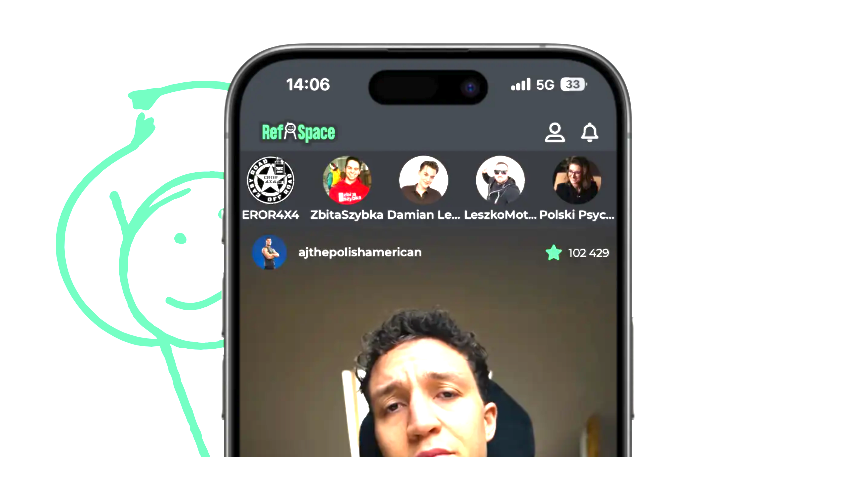
Join a platform where creators can earn money online and build their personal brands by recommending products and services from brands and partners they truly respect.
What does a freelancer do? Graphic designers, copywriters, programmers… but not only – professions that excel in freelancing
The list of professions that thrive in the freelancing model grows year by year. Of course, the classics are graphic designer, copywriter, SEO specialist, programmer, or web developer. But increasingly, freelancers are appearing in less obvious fields – such as social media management, video editing, customer support, email marketing, and even virtual assistants. There are also freelancers in online education, the fitness industry (e.g., trainers preparing workout plans), and UX consultants.
If you’re wondering what a freelancer does, the answer doesn’t have to be limited to one industry – it’s important that their work can be “remotely commissioned”, and the result can be achieved without physical presence in an office. Much depends on your skills and whether you can build a concrete offer around them. The potential is huge – you just need to know how to leverage it.
No boss, your own pace, and freedom of choice – the biggest advantages of freelancing through the eyes of practitioners!
Undoubtedly, one of the biggest attractions of freelancing is freedom – time-wise, financially, organizationally. You work when you want and on what you want. You can take on projects only from clients, whom you genuinely like – and reject those that don’t fit your style at all. You have control over rates, schedule, collaboration format. Some freelancers work exclusively in their country, others serve clients worldwide. For many, a huge advantage is also the lack of routine – every project is different, allowing for growth and avoiding professional boredom. And if you plan your work system well, freelancer work becomes asource of stable income – without needing to be tied to one place or company. For those who value independence and like to plan their actions themselves, this is a model that truly works.
Where are the catches? Challenges and downsides of freelancing that are rarely openly discussed
Although freelancing might look like a dream come true from the outside, there are also challenges that are often not discussed. Firstly – you don’t have guaranteed income, so there are good months and weak ones. Additionally, there’s working alone, lack of a team, difficulties in self-motivation without a fixed schedule. Many people also struggle with unreliable clients – late payments, endless corrections, unclear expectations. Often, a freelancer also has to be their own sales department – this means actively acquiring assignments, negotiations, invoicing. Sound like a lot? Because sometimes it is. Thus, freelancer work requires a lot of self-discipline, assertiveness, and resilience to uncertainty. It’s not for everyone – and it doesn’t have to be. But if you know what you’re getting into, it’s easier to build a work model that supports your goals instead of hindering them.
Freelancing by the numbers – what does this market look like in Poland and worldwide in 2025?
Statistics clearly show that freelancing is gaining strength. In Poland, over 300,000 people are engaged in this model professionally or semi-professionally, and according to global reports, by 2030, freelancers are expected to make up even 50% of the workforce in some countries. In 2025, the average income for freelancers in Poland ranges from 3,500 PLN to as much as 15,000 PLN monthly, depending on industry, experience, and number of clients. IT specialists, UX/UI, marketing, and online education professionals earn the best. Interestingly, more and more people are combining freelancing with employment or unregistered activities. So if you’re still wondering what freelancing is and if it’s real – the answer is yes, very much so. The numbers show it’s not just a temporary trend but a lasting change in approach to work.
How to start freelancing without chaos – from identifying your skills to landing your first gigs
Starting in freelancing doesn’t have to mean chaos and randomness. It’s best to begin by identifying, what you’re good at and what you can offer as a service. It could be something obvious like writing, designing, or programming, but it could just as well be a niche skill – like creating quizzes, research, CV editing, or conducting webinars. Then, it’s a good idea to prepare a simple offer, e.g., in PDF form or on a website, and look around on platforms like Useme, Freelancer, Fiverr, or industry groups. You don’t need to have your own business right away – you can work under a contract for work or with the help of platforms that handle formalities for you. You don’t become a freelancer overnight, but first assignments can come quicker than you think. The key is not to be afraid to start – and treat it as a process, not as jumping into the deep end without a plan.
Is it even worth it? Freelancers’ earnings, seasonality, and the real costs of working on your own account
Money in freelancing is a topic that always stirs emotions. On one hand – freelancer earnings can be higher than those on salary, especially in specialized industries. On the other – it’s important to remember that you are responsible for everything: taxes, equipment, software, and work time. Seasonality also plays a role – some industries slow down during vacations, others during winter. Therefore, it’s important to budget, diversify clients, and save for leaner months. Realistically, with sensible organization, a freelancer’s earnings can reach 8–12k PLN monthly, and the best exceed 20k PLN – but not immediately. It’s a process that requires patience, a good reputation, and regular skills development. Is it worth it? Yes – if you like working on your own terms and are ready for the fact that sometimes you’ll have to solve more than one problem at once on your own.
Sell your time and knowledge with MeetMe on RefSpace – no office, no site, no hassle
If you’re a freelancer and offer services that can be executed remotely – consultations, mentoring, technical support, analysis, audits, or simply a conversation that can help someone – you can start earning from it even more easily with RefSpace. The MeetMe feature allows you to sell your time in the form of paid 1:1 meetings. You set availability, rate, duration, and that’s it – the client schedules the appointment and pays in advance, and you get a clear calendar and payment to your account.
Importantly – you don’t need a business license. RefSpace handles payments and settlements for you, so you can operate legally, as an individual, and simply focus on what you’re good at.
You also don’t need a website or forms – on RefSpace you have a ready, free profile with a store that operates 24/7. You can also add other products there, like checklists, e-books, templates, or hourly packages. For a freelancer, it’s a convenient tool that not only allows you to earn money but also build your offer and brand in one place – without technical barriers and unnecessary bureaucracy.