Working as an Influencer – What Do Creators Really Do and What Is This Profession Like from the Inside?
On one hand, there’s a colorful life, free PR packages, events, and advertising campaigns. On the other hand, there are statistics, logistics, deadlines, and a permanent online presence. Working as an influencer today is more than just running an Instagram account. It’s a profession that requires strategy, knowledge of trends, analytics, and the ability to manage one’s own image. If you’re wondering who an influencer is, what they do daily, what their career looks like, and whether it’s truly possible to make a living from it – you’ll find specific answers here.
The influencer’s work behind the scenes – what does an online creator really do (and why isn’t it “easy money for selfies”)?
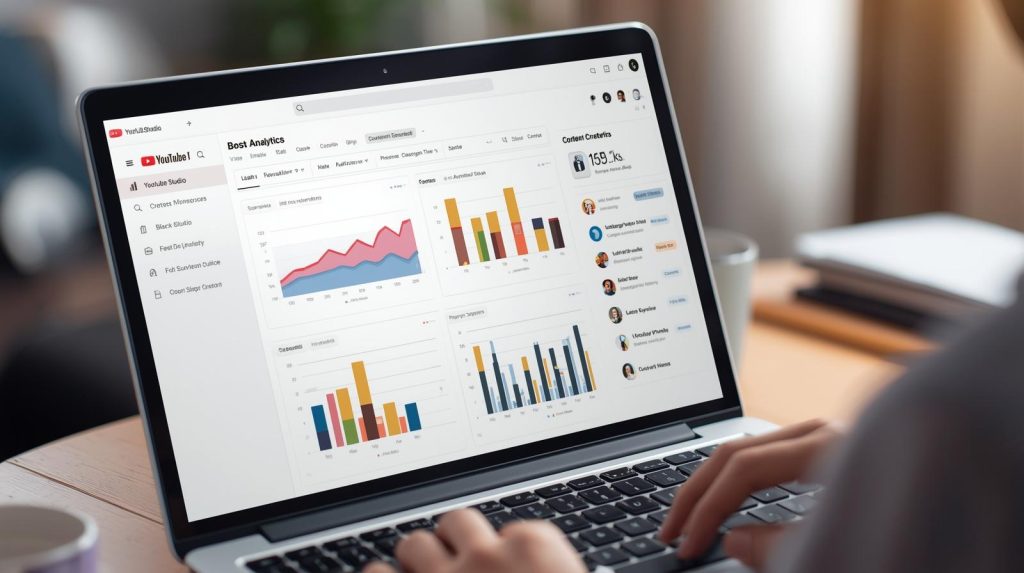
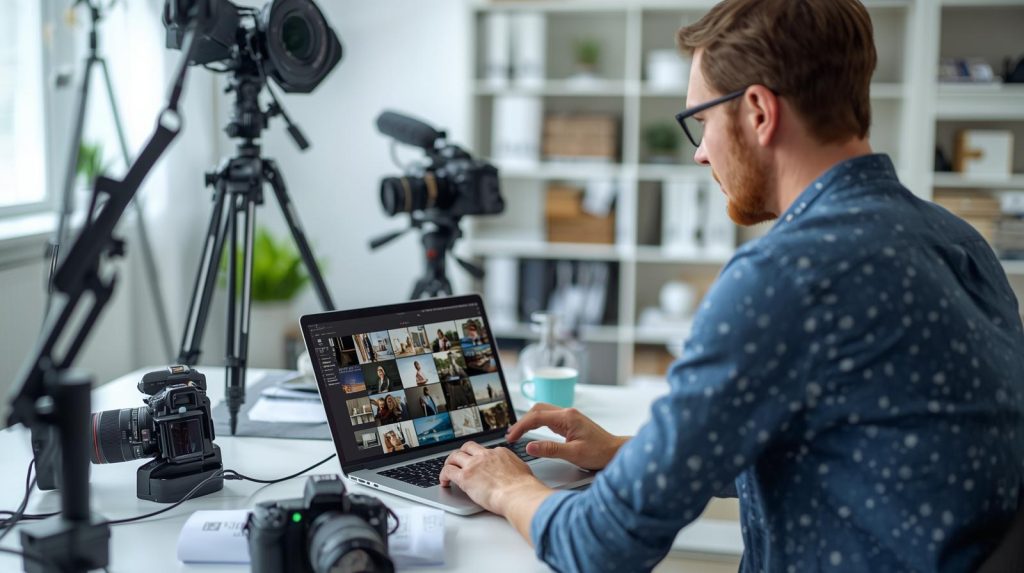
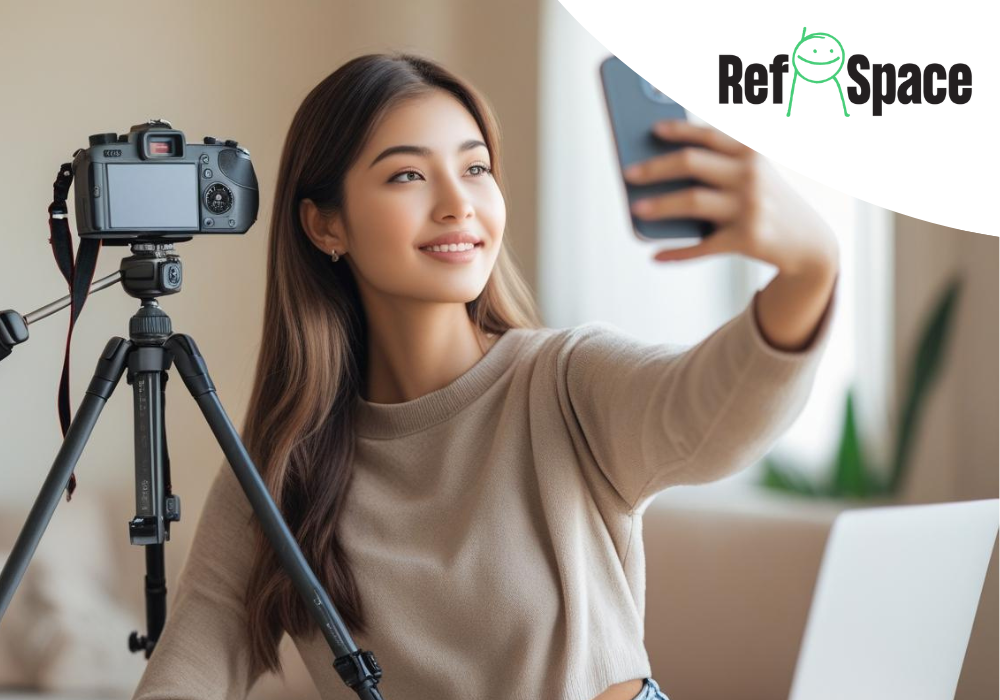
The notion that an influencer simply posts selfies and waits for money transfers is long outdated. So, what does an influencer do? They are a creator who not only creates content but also plans campaigns, analyzes results, writes scripts, and responds to hundreds of messages weekly. The daily routine involves Excel with a publication calendar, meetings with brands, taking photos according to brief, and testing new platform features. This includes editing materials, optimizing for algorithms, and constantly thinking: “Does what I post resonate with my community?” Who is an influencer today? An online experience designer who operates on multiple fronts – at the intersection of communication, psychology, and marketing. And although it looks like fun and play from the outside, in practice, it requires specific skills and immense consistency.
When a hobby becomes a profession – what does an influencer’s career look like step by step?
It usually starts innocently – a TikTok account, a few Reels, maybe a blog or a YouTube channel. The beginnings are experimental, and the first successes rather accidental. But over time, if you have a plan and consistency, passion begins to turn into work. The path is similar for many creators. The first six months involve testing ideas, formats, and language that catch on. Then comes the moment when you begin to gather a community – not just “friends of friends,” but people who genuinely follow and react to you. About 18 months in, the first collaborations start – first in barter, then paid. At this point, you start feeling that working as an influencer is more than a side project. If you don’t give up and organize processes well, after 2-3 years, you can have a stable income and your own personal brand. And beyond that? You develop your own products, campaigns, maybe start an agency. This is what building a creator’s career looks like – step by step, without shortcuts, but with real potential.

Discover the potential of your personal brand!
Join a platform where creators can earn money online and build their personal brands by recommending products and services from brands and partners they truly respect.
Where does the money come from? Revenue models in influencer marketing that really work
Earning from endorsements is just one piece of the puzzle.
- The most obvious is sponsored posts – their rates depend heavily on reach, but also on content quality and engagement levels.
- Alongside them are affiliate programs – for each sale from your link, you receive a commission, sometimes up to 25%.
- Own products? Also increasingly popular – online courses, e-books, clothing collections.
- This is complemented by paid appearances, event hosting, participation in panels. And if you’re technically savvy, you can delve into NFTs, AI clones, or interactive events in the metaverse.
Creators operating across multiple channels can generate several income streams simultaneously, increasing their resilience to seasonality and algorithmic changes. So if you’re wondering what an influencer does and how they earn, the answer is: not only by advertising but also by creating their own diversified financial ecosystem.
Authenticity versus algorithm – why it’s increasingly difficult to be yourself in a profession that operates 24/7
If you see a creator with a large profile promoting eco cosmetics one week and fast fashion the next, it’s not always a matter of greed. Often, it’s an attempt to reconcile brand expectations with maintaining visibility. Algorithms operate like sine waves – one day you have a viral hit, the next your content disappears. And it is precisely this visibility that determines your “to be or not to be” in the profession. An influencer must constantly balance: on one hand, you want to be yourself, on the other – you must play by the system that rewards regularity, trendiness, and specific formats. Additionally, there’s the pressure from the community – consistency is expected, but also freshness and responsiveness to current topics. The authenticity crisis is a real phenomenon that most active creators face today. What does an influencer mean in such a context? It’s someone who not only inspires but also knows how to strategically filter what they show without losing themselves.
What do influencer studies look like? New courses that not long ago sounded like a joke
A few years ago, the very thought that an influencer could study their profession evoked laughter. And yet – in 2025, Polish universities offer full-fledged programs educating future online creators. The curriculum includes subjects like online communication psychology, advanced social media data analytics, copyright law, and advertising ethics. And it’s not just about “how to set up lighting for a selfie,” but about understanding influence mechanisms, constructing messages, and media responsibility. These courses were created in response to real market needs – both from the creators’ and brands’ perspectives. So who is an influencer today? Not just someone with a phone in hand, but a specialist who understands how the internet works and can use its tools consciously. If you’re seriously considering this path – you now even have the opportunity to gain formal education.
Working as an influencer and mental health – on FOMO, anxieties, and digital detox
Being constantly online is not just a matter of “that lifestyle.” It’s a huge mental burden. In studies from 2025, over 60% of active creators report sleep problems, and one-third struggle with symptoms of professional burnout. Constantly comparing oneself to others, the necessity of responding to messages, the pressure of being visible – all of this leads to FOMO syndrome and increasing stress. An influencer is a profession where the boundary between work and personal life is very easy to blur, often resulting in decreased energy and motivation. That’s why more and more creators are implementing “digital well-being” strategies – planned detoxes, block work, task delegation. If you’re wondering what it means to be an influencer in everyday life, it’s also about dealing with an overload of information, expectations, and the constant need to act. And this requires not only self-discipline but also empathy… towards oneself.
Advertising and responsibility – what you need to know about influencers’ legal obligations?
Entering the world of collaborations, you can’t pretend you “didn’t know.” From January 2025, clear regulations regarding the marking of sponsored content are in effect – “collaboration” in the description isn’t enough, there must be specifics: #advertisement, preferably at the beginning of the post. If you’re promoting products in the health or supplement categories – you must have documents confirming their legality and certification. Moreover, for false reviews, you can now be criminally liable, and using filters without informing that it’s a filter – in some situations, it’s already a reason for reporting. Influencers must know their obligations because media responsibility today is as real as it is for journalists or advertising agencies. And that means adhering to rules, not only out of obligation but out of respect for your audience and your brand.