Earnings in E-commerce: How Much Can You Earn from Your Own Store and What Influences It?
Wondering how much you can realistically earn from your own online store? You’re not alone. The internet is full of promises like “30k in the first month” or “I earn from an Aliexpress store without lifting a finger,” but the reality is a bit more complex. Earnings in an online store can vary greatly – from a few hundred on the side to a full-fledged business that supports a family. The key is the business model, niche, promotion strategy, and your commitment. In this text, we break down the topic into components: from examples and ranges to mistakes that squander the potential of the store from the start.
How much does an online store earn? Check real numbers from the market
On TikTok, you’ll hear that someone launched a store, added three products, and after a week had 50,000 PLN in their account. In reality, the average income of an online store in Poland ranges from 5,000 to 20,000 PLN per month, and often that’s gross, not net. According to data from the eIzba and Senuto report, the average basket in Polish e-commerce is about 246 PLN, which means you need a really large volume of traffic to exceed the profitability threshold.
How much do online stores earn in the first months? Usually not much. Beginner owners often end the first quarter ‘at zero’ or even at a loss. That’s normal – you’re building a brand, investing in campaigns, learning from mistakes. Only after a few months (sometimes a year!) can you talk about a steady income that starts to pay off in reality.

Discover the potential of your personal brand!
Join a platform where creators can earn money online and build their personal brands by recommending products and services from brands and partners they truly respect.
Own online store – earnings of 10,000 or 100,000? What does e-commerce income actually depend on?
There is no single answer to how much you can earn from an online store. It all depends on three things: margin, sales model, and scale. A store with physical products with a low margin (e.g., electronics) will have to sell much more to reach the same result as a small store with digital courses.
Earnings in an online store can differ by 1000% depending on the niche.
- In the beauty industry, margins reach 70-80%.
- In clothing, already 30% is a good result.
- Meanwhile, dropshipping often ends up with a few percent – so you need to operate with a huge number of orders.
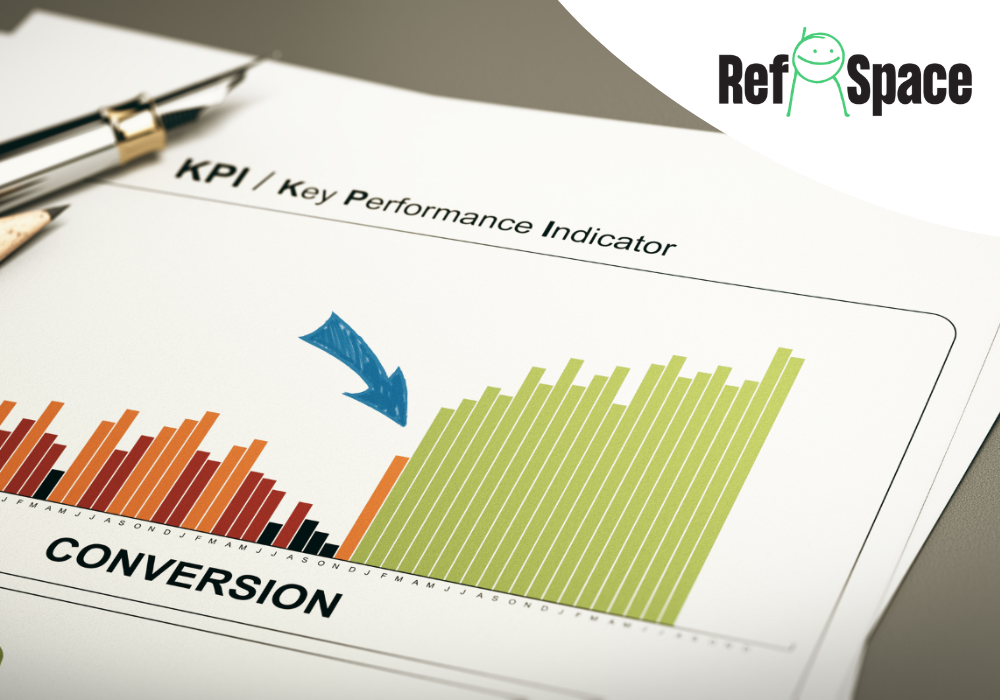
Also remember that traffic does not always equal profit – if you’re attracting people but they don’t buy, you’re not earning. That’s why working on conversion, i.e., how many people from the visit actually become customers, is so important.
Dropshipping vs. own products – which model offers better profit at the start?
On one hand, dropshipping is tempting because you don’t have to buy anything upfront. You don’t store, pack, or ship. On the other – earnings in your own online store, where you have control over margin, quality, and offer, are often much higher.
- In dropshipping profits can reach 5-10 PLN per product.
- When you have your own product, e.g., a handmade soy candle for 59 PLN with a cost of 15 PLN, you know that you have a budget to build on for advertising.
Your own brand also provides more room for scaling. You can create bundles, packages, increase basket value, build loyalty. In dropshipping, customers are random – it’s hard to keep them longer. Of course, that doesn’t mean dropshipping is bad. If you’re starting from scratch, without capital – it might be a good learning experience. But if you want to earn real money – it’s worth thinking about something of your own.
When does a store start to pay off? And what to do if it doesn’t return within six months?
Setting up a store is one thing. But the moment you start breaking even may come only after 6-12 months. Much depends on the marketing strategy. If you invest in SEO and content, the results will come later, but they will be cheaper. If you drive paid campaigns, you might see sales faster – but you’ll also burn through the budget quicker.
Many store owners can’t count properly. They don’t account for work time, returns, advertising costs, integrations. And then they’re surprised that after five orders the ‘profit’ leaves them with 180 PLN. That’s why testing offers, campaigns, and pricing is so important. If after 6 months you’re still in the hole, it’s worth doing an audit – preferably with someone from the outside – and checking where the money is leaking.
Will your store survive the first year? Profitability and risks that few talk about
The statistics are brutal: in Poland, as many as 40% of online stores close within 12 months. Sometimes it’s a matter of the wrong product, sometimes too small margins, but most often – lack of plan and perseverance. People jump into e-commerce because “everyone’s doing it now,” but not everyone has the patience to work for several months without a salary.
Earnings in an online store don’t appear overnight. It’s a process that requires many attempts, tests, campaigns, and analyses. And that’s normal. If you approach the store as a long-term project – you have a much better chance of success. But if you’re looking for quick money – you might be disappointed. E-commerce is not a sprint, but something you really need to figure out for it to bring stable results.
How much can you earn from running an online store? Which products earn the most? Clothing, niches, and subscriptions at a glance
Clothing and cosmetics are the most popular categories in Polish e-commerce, but not always the most profitable. There’s huge competition and often a price war. If you have a distinctive product and well-managed branding – great. But more money is in niches that haven’t yet been plowed through by marketplace giants.
Data from Senuto shows that subscription sales models (e.g., subscription cosmetics, dietary plans, access to a platform) generate a significantly higher LTV, or customer value over time. That means stability and predictability. That’s why more and more stores are trying to combine traditional e-commerce with a recurring payment model. It’s a good direction – especially if you want to have higher earnings in your own online store in the long run.
RefSpace – a store without logistics, without risk, without startup costs. Is it possible?
If you don’t want to invest in a warehouse, products, or your own goods, and you want a quick start – RefSpace might be the answer. You set up a free profile, choose brand products that are already on the platform, add them to your Space, and promote them however you like – on Instagram, TikTok, or in a newsletter. You earn a commission for each sale, but the brand handles all the logistics.
Additionally, you can add your own items – an e-book, consultation, PDF package. This way, you combine two earning models: affiliate and your own. It’s a great option if you want to start with low risk but build something of your own. No invoices, no shipments, full control over the content. It’s an ideal solution if you don’t yet know whether e-commerce is your thing – but you want to give it a try.

CEO of RefSpace LTD, a social e-commerce platform that connects creators, brands, and communities in a single ecosystem. With 25 years in digital marketing and e-commerce, she has been a speaker and panelist at numerous industry conferences. Today, she is developing RefSpace as a new destination for authentic recommendations, content, and sales.