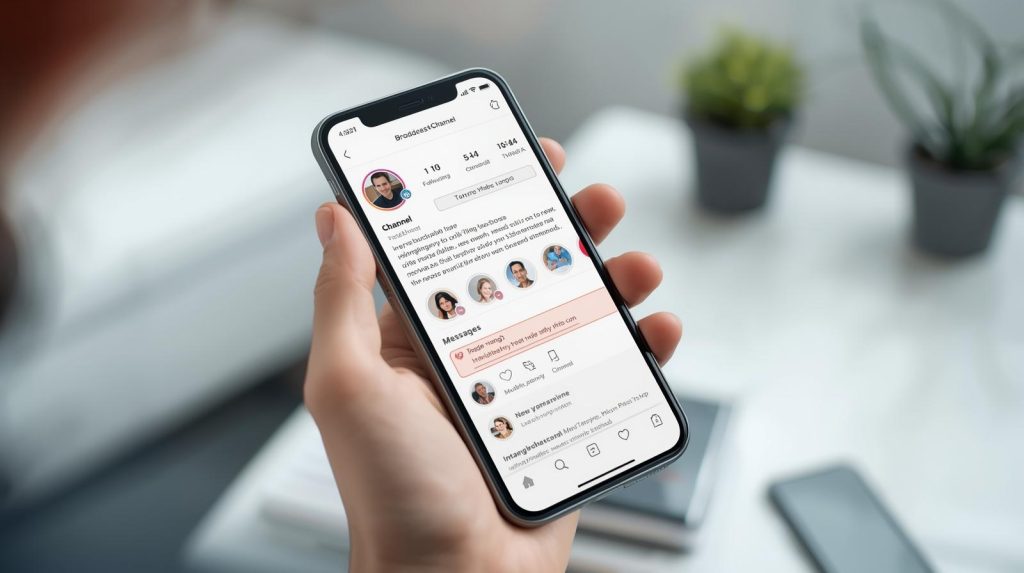

Assignments, deadlines, and freedom in one: what copywriting is all about in a nutshell.
You don’t need a CV to start. You need a strategy, patience, and a few concrete decisions. Because even though the freelance copywriter profession is tempting with freedom and no boss over your head, behind it all lies a very real everyday life: research, briefs, invoices, and “yesterday’s” deadlines. In this text, you’ll see what it’s really like to work on your own terms – including what is rarely talked about. If you want to know how to become a freelance copywriter and not turn your passion for writing into constant frustration – start right here.
Being a copywriter – what does it actually mean? What should you know before leaving your full-time job to become a “copy”?
Before you click “delete account at the corporation” and dive into a whirlwind of assignments from your home office, take a moment. Although professional content writing for websites today sounds like a synonym for freedom and earning from a café in Lisbon, in reality, beginnings can be more mundane.
What is copywriting about? Primarily, writing texts that sell, engage, or explain. It sounds simple, but it’s not just “pretty writing,” as many believe.

Discover the potential of your personal brand!
Join a platform where creators can earn money online and build their personal brands by recommending products and services from brands and partners they truly respect.
In practice, this means hours spent on research, revisions, working with clients, and learning algorithms of which you had no previous knowledge. If you truly want to become a freelance copywriter, you need patience, humility, and surprisingly a lot of self-discipline. But also the awareness that it’s a profession where you learn something new every day – about language, marketing, and people. In return, you get flexibility, growth, and…no boss over your head. Sounds like a good deal? Probably yes – but only if you have a plan on how to play it out.
In the app, free delivery with code DOSTAWAGRATIS!



From the first jobs to stable clients – what is the job of a freelance copywriter?
What does a copywriter do? This question comes up regularly – most often in conversations with your grandmother or friends who still think “you copy texts from the Internet.” Meanwhile, you face briefs, deadlines, and style guides every day. What does a copywriter’s job involve in practice? It’s not just writing a text, but understanding its purpose, audience, and context. And this happens anew every day – because one day you’re writing about accounting, the next about pea protein.
The everyday life of a freelancer is a mix of freedom and…a lot of chaos. No assignments, shifted deadlines, a client with five revisions, or a new lead by referral, who needs a text “yesterday”. Over time you learn this rhythm, start building your work system and creating repeatable processes. You know how many assignments you can take, which briefs to reject immediately, and when it’s worth asking about the budget before “joining the team.” It won’t be easy at the start, but if you really want to work solo – it’s worth learning step by step.
What is copywriting? Knowledge versus talent – what do you need to know to make a living from writing?
It’s not about having a “light pen.” What is copywriting in practice? It’s work based on strategy, market research, understanding SEO, language proficiency, and…empathy. Sure, writing is the foundation, but without knowing UX principles, sales psychology, or SEO – it’ll be hard to compete with those who combine these skills. Especially if you dream of earning more than the rate per 1000 characters from a marketplace.
If you’re wondering how to learn copywriting, start by learning the basics: text structure, call to action, benefits language. Then slowly go deeper – into SEO, storytelling, content marketing, brand language. The internet is full of free resources, courses, and e-books that will allow you to gain specific skills. But practice is equally important: test, write, revise. Only then will you truly build a toolkit that allows you to work in this profession seriously.
Trending stores
|
Creator |
Who
|
Refspace Profile
|
Social media
|
|---|---|---|---|
 |
Motoring
|
 | |
 |
Automotive
|
| |
 |
Cosmetology
|
| |
 |
Automotive
|
|
How to catch the first client without burning a bridge? About trust, communication, and respect for deadlines
You don’t need a portfolio with big campaigns for someone to trust you. But you have to show that you know what you’re doing. The first assignments are moments you’ll remember for a long time – and not always in a good way. Lack of precise information, unrealistic expectations, rates from another planet.That’s why it’s so important, from the start, to set the rules of the game – clearly, calmly, without fussing around.
What does a copywriter do to be taken seriously? Asks about the purpose of the text, target group, competition. Requests a deadline and provides a clear estimate. Responds to emails, takes care of the format, and meets deadlines. It really makes a difference. Even if you don’t yet have dozens of clients, create the impression around you that you are good to work with. And remember – one satisfied client can attract another five.
SEO, landing page, storytelling – what skills are worth having to stand out from the crowd
What does being a copywriter mean nowadays? It’s someone who not only writes but understands how the web works. Can you write product descriptions? Great. But if you know, how to create a landing page that converts, or a blog post that leaps into Google’s TOP 10 – your value automatically increases. And this means that your rates and the chance for more interesting projects go up too.
That’s why it’s worth knowing how to become an SEO copywriter, even if you don’t plan on working with keywords every day. The ability to create content aligned with user intent, tailored to the funnel stage, or consistent with brand guidelines is now an absolute must. Fortunately, you don’t have to master everything right away – it’s important to keep developing your skills and staying up to date with trends.
Freelancing is not just freedom – how to take care of your finances, mental health, and boundaries?
One of the biggest myths about remote work is the belief that “you are your own boss.” And yes – in theory, you are. In practice, however, it can quickly turn out that you have ten “bosses” in the form of clients who text at 10 PM asking for a “small fix.” If you don’t set boundaries, freelancing can quickly turn into working three jobs.
Therefore, if you want to work long-term, ask yourself this question: what is the role of a copywriter who doesn’t burn out after three months? The answer is in planning, client selection, and taking care of your resources. Freelancing is not just about completing assignments, but managing your time, budget, and relationships. Set your working hours. Take care of your sleep, exercise, and breaks. And learn to say “no” to projects that are poorly paid or have poor prospects. This is not selfishness – it’s taking care of the quality of what you do.