What Does YouTube Pay For? Not Just Views – A Brief Guide to YT Monetization
Earning money on YouTube is not just “cash for views.” It involves an entire system: ads, tips, subscriptions, collaborations, and affiliate links. If you want to understand what YouTube pays for, what the real rates are, and how to start monetizing videos, this post will clear all doubts – straightforward and without unnecessary shortcuts.
What does it really mean to “monetize” videos on YouTube?
What is YouTube monetization? Simply put, it’s a way to earn money for the content you publish on your channel. But it doesn’t work by just uploading a video and getting a transfer right away. For YouTube to start sharing money with you, you must meet specific conditions and prove that your content attracts the attention of viewers and advertisers.
YouTube monetization is not just ads, as many people think. It’s a whole network of features and income sources: ads, viewer tips, membership subscriptions, affiliate marketing, YouTube Shopping, and participation in YouTube Premium subscriptions. The platform pays you not only for views but also for retention, viewer loyalty, and content quality. The longer people watch your videos and the more engaged they are, the more you can earn.

Discover the potential of your personal brand!
Join a platform where creators can earn money online and build their personal brands by recommending products and services from brands and partners they truly respect.
When and under what conditions does YouTube start paying creators?
To start earning, you need to join the YouTube Partner Program (YPP). From 2025, you have two paths:
- Early monetization: minimum 500 subscribers + 3000 watch hours per year or 3 million Shorts views in 90 days.
- Full monetization: 1000 subscribers + 4000 hours or 10 million Shorts.
Depending on the threshold, you gain access to various features – from Super Chats to ads to YouTube Premium. But that’s not all. The channel must also meet community guidelines, have an active AdSense account, and no serious policy violations.
So: monetization on YouTube starts when YouTube deems you a creator worth investing in. And the investment is… ads. That’s where the whole machine begins.
What are the main sources of income from YouTube in 2025?
YouTube monetization in 2025 is no longer just ads. You have at your disposal at least 7 main sources of income that you can combine, mix, and tailor to your channel:
- Video ads (pre-roll, mid-roll, banners).
- Channel memberships – viewers pay monthly for access to exclusive content.
- Super Chat and Super Thanks – tips from viewers on live streams and videos.
- YouTube Premium – a portion of paid users’ subscriptions goes to you.
- Affiliate marketing – commissions for sales through partner links.
- Sponsorship – paid collaborations with brands.
- RefSpace – your free, hassle-free store with space for additional video reviews.
Importantly: creators who use 3 or more methods simultaneously earn on average 2.5x more than those who rely solely on ads. And that’s not theory – that’s hard data.
Ads, subscriptions, tips – how do specific forms of monetization work on YouTube?
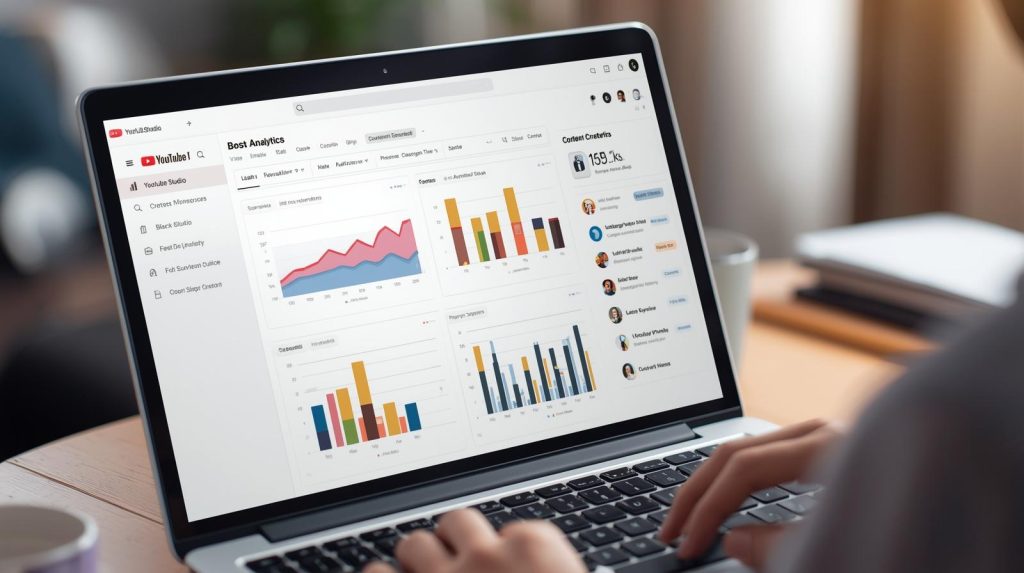
Let’s start with ads. It’s a classic – YouTube displays them before, during, and after your video. You earn depending on the so-called CPM (cost per thousand views) and RPM (real earnings after YouTube’s 45% commission). An example? With an RPM of 8 PLN and 100,000 views, you can expect around 800 PLN.
Channel memberships are a subscription model: a viewer pays 20 PLN monthly, and you provide something extra. Of this, 70% goes to you. Super Chat (on live streams) and Super Thanks (in regular videos) are simply “tips” that viewers can give you – from a few to several hundred PLN.
YouTube Premium pays you part of the revenue when paying users watch your videos. There are no ads here, but there are points for retaining attention. In short, what does YouTube pay for? For keeping people on the platform – and doing it better than others.
How much can you really earn? What influences the payout amounts?
There is no single rate table – earnings depend on many factors.
- Firstly, the channel’s topic. Finance, technology, education? CPM can be as high as 30–50 PLN. Memes, entertainment, vlogs? It drops to 3–8 PLN.
- Secondly, the viewer’s country. Viewers from Germany, USA, Canada = 3–5 times higher CPM than from Poland.
- Thirdly, watch time and format. Short videos earn less, long ones (8+ min) allow for more ads and higher earnings. That’s why the best channels not only have many subscribers but also effectively “stretch” watch time.
What else does YouTube pay for? For retention (how long the viewer stays with you), originality, and community engagement. All this translates into your value in the algorithm’s eyes – which in turn determines rates and reach.
YouTube monetization in practice: what does YouTube pay the most for, and what barely counts?
The most money comes from ads on long videos in well-monetizing niches. Content that keeps viewers for over 8 minutes allows for additional ads, thus earning more. Titles, thumbnails, and descriptions are also significant – as they determine whether a viewer will click.
The least profitable are short, random Shorts without a clear purpose. Sure, they can rack up millions of views – but the RPM from Shorts is often only 0.5 USD per 1000 views. By comparison, the same result in a longer educational video can yield several times more.
In summary: YouTube pays for quality, not just quantity. The better thought-out the content, the better the earnings – regardless of the number of subs.
RefSpace as a way to earn extra income – even without full monetization
What if you don’t yet meet the YPP thresholds but are already building a community and want to earn something? Enter RefSpace – a platform that allows you to create your own shop with products to recommend, without setting up a business, without logistics, and without ads.
You select products from various categories (e.g., books, e-books, cosmetics), add them to your Space, and link them to a video. The viewer clicks, buys, you earn a commission – and everything happens automatically. You can also upload your own content – like courses or consultations – and start selling them immediately. RefSpace works independently of the YouTube Partner Program, so you can monetize your channel from day one.
For many creators, it’s a way to achieve a stable, predictable income from YouTube, that doesn’t depend on CPM, the algorithm, or trends. Content earns, but you have full control.